Deck Reactions For Offshore Equipment
When offshore schedules are compressed and equipment configurations multiply, engineering methods are pushed to their limits. This project required generating deck reaction forces across 40+ load cases and six different equipment units—the kind of volume that quickly exposes bottlenecks in traditional structural workflows.
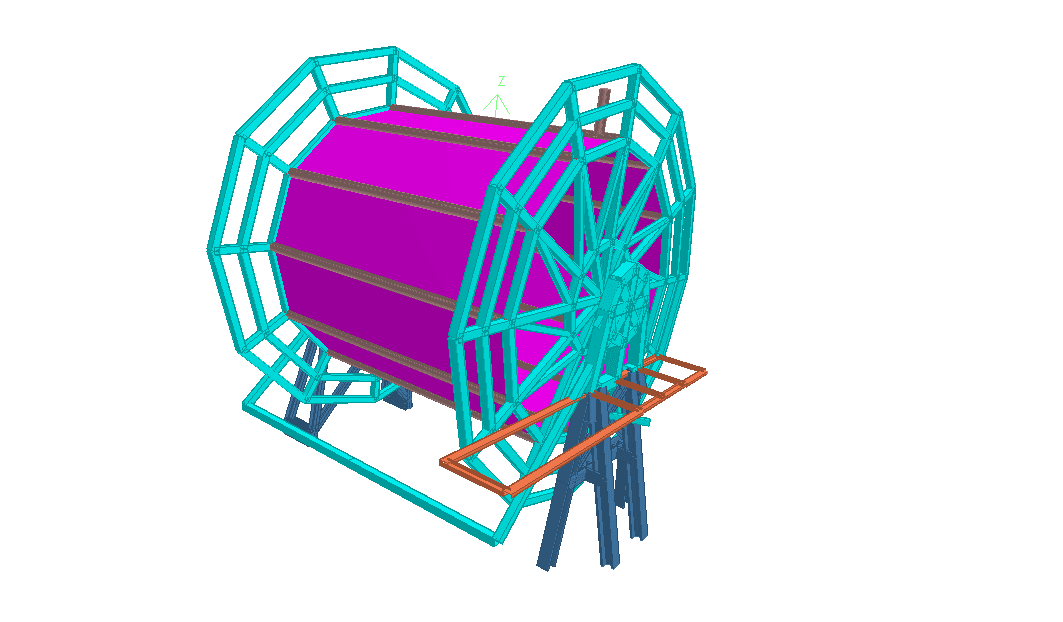
Introduction
When offshore schedules are compressed and equipment configurations multiply, engineering methods are pushed to their limits. This project required generating deck reaction forces across 40+ load cases and six different equipment units—the kind of volume that quickly exposes bottlenecks in traditional structural workflows. Subco Engineering was engaged to deliver rapid, accurate, and fully traceable structural outputs without compromising safety or quality.
The Challenge
Offshore projects often demand fast decision-making, but this one introduced an additional constraint: hundreds of possible load combinations, all needing consistent and auditable reaction‑force outputs. Traditional methods weren’t viable:
1. Hand Calculations
- Excellent for isolated scenarios
- Slow and error‑prone when scaled across dozens of iterations
- Difficult to maintain traceability for large batch sets
2. Full FEA Tools (e.g., ANSYS)
- Require full CAD models
- Longer pre‑processing times
- More setup overhead than the schedule allowed
With installation dates advancing, we needed a way to scale quickly, maintain quality, and keep the workflow light enough for fast iteration.
Our Solution: STAAD with a Structured Input‑Deck Workflow
To meet the schedule without sacrificing engineering integrity, Subco Engineering selected Bentley STAAD.Pro as the optimum analysis tool. By building a structured matrix of input‑deck parameters, we automated the generation of every load case and fed them directly into STAAD’s command file system.
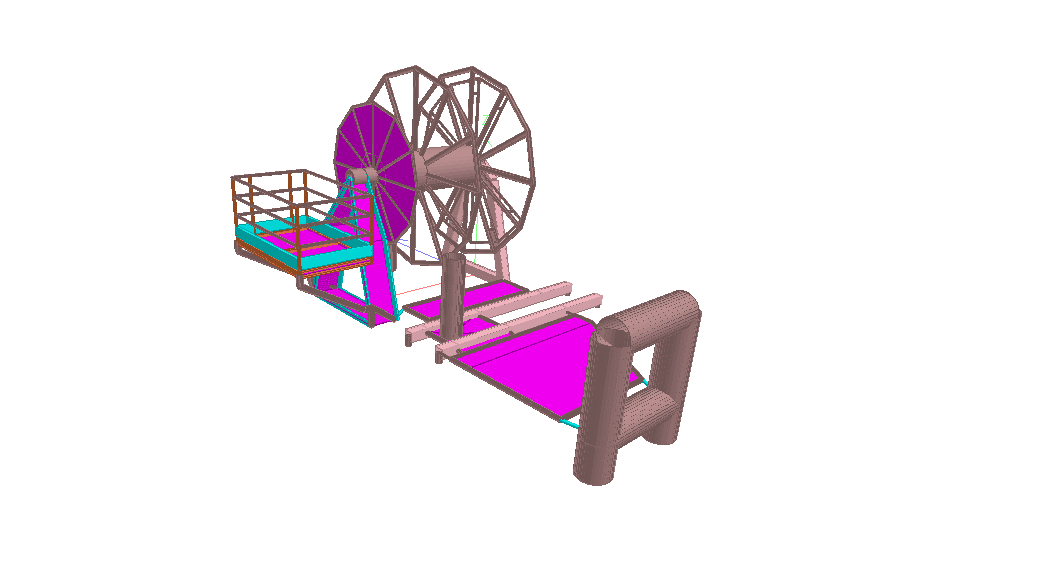
Key Advantages Delivered
1. Minimal Setup Time
- No CAD model needed
- Direct command‑file workflows allowed instant updates
- Input‑deck matrix ensured structured, repeatable load cases
2. Rapid Solving
- Efficient batch processing
- Capable of digesting dozens—or hundreds—of variants with ease
3. Streamlined Checking
- Clean, auditable input decks
- Full traceability from assumptions → loads → STAAD outputs
4. Scalable for Future Work
- The automated workflow supports expansion into hundreds of combinations
- Ideal for multi‑equipment, multi‑scenario structural programs
Outcome
Subco delivered reliable, fully traceable deck‑reaction outputs at pace, enabling offshore decision‑making to proceed without delay. The client gained:
- Consistent load‑case generation
- Fast iteration capability
- A robust, transparent structural methodology suitable for class, vendor, and internal review
- Engineering throughput aligned with offshore operational deadlines
When tight schedules meet complex structural configurations, this workflow demonstrates how Subco Engineering ensures speed, transparency, and engineering confidence—without compromise.
Sector:
Services:
FAQs
How does STAAD improve turnaround time for offshore structural analysis?
STAAD enables direct command‑file inputs, allowing engineers to batch‑process large numbers of load cases without building full CAD models. This dramatically reduces setup time and accelerates solving.
Why avoid full FEA for high‑volume deck‑load scenarios?
Full FEA offers deep capability but becomes slow when hundreds of combinations are required. Pre‑processing, meshing, and CAD preparation often exceed what offshore schedules allow.
How does Subco ensure traceability across many structural scenarios?
All load cases are generated from a structured input‑deck matrix, producing clean, auditable command files. This preserves full transparency from assumptions through to STAAD output reactions.