Placement Journal - Miriam Chedgzoy
Miriam Chedgzoy joined Subco Engineering In Newcastle for a summer placement. Here is her week-by-week journal of the experience, in her own words.
Week 1
The first week of my Subco Engineering internship kicked off with a meeting to discuss my goals for the placement, the projects I would be working on and the software I would be using to do them. We talked about my previous experience with engineering software and where I would need the most support. I was set up with all the equipment I needed and joined the daily stand-up meeting, where I was introduced to everyone in the company and heard about the projects Subco engineers are currently working on.
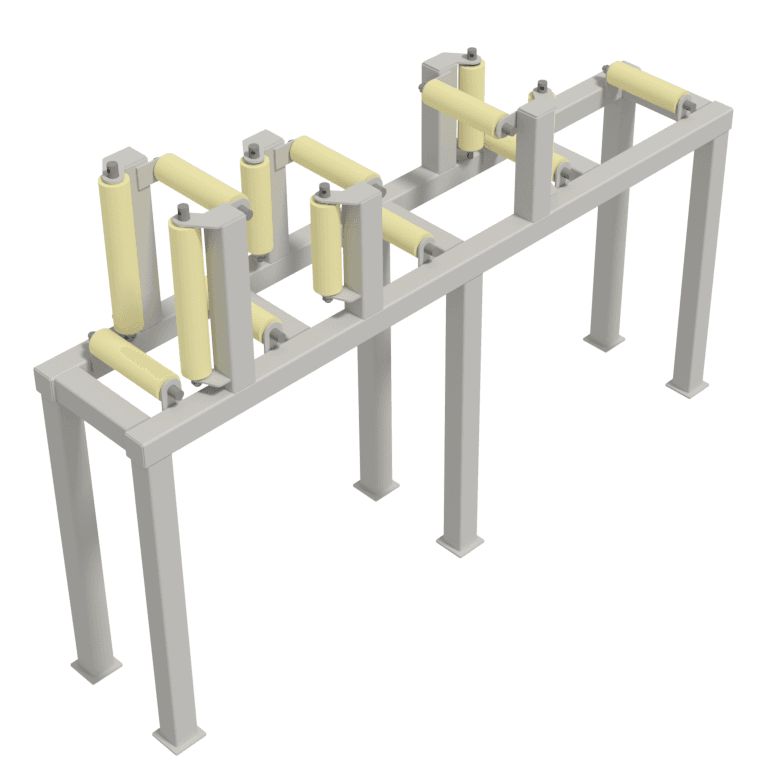
I was set off on my first project with Chris and Matthew: designing and modelling cantilever cable table rollers. Subco uses Autodesk Inventor for 3D modelling, which I had never used before, so I had a one-to-one session with Matthew to run me through it. I used Inventor throughout the week to start building my roller table model, with the other engineers on hand for any questions. When I had a question about the structural strength of the beam supports, Joe encouraged me to calculate the bending moments along the beam to find the answer mathematically and adjust my design accordingly. Subco uses a version of Calcpad to write up calculations in a professional format for clients, so I had a one-to-one with Martin to guide me through the Subco template and started writing up my bending moment calculations.
Week 2
My aim this week was to progress the cable roller tables project. I started by finishing my calculation write-up using the Subco template on VeriCalc, and found it a helpful way to check my work and make it presentable and easy to follow. Knowing how to use Calcpad and VeriCalc will be a useful resource for checking and presenting calculations in the future.
I then continued my modelling work in Inventor. I had a very useful call with Sak, where I solved some issues I'd been stuck on and picked up tips that will make my future modelling more efficient. Technically this set me back, as I decided to restart my fabrication without the frame generator, but it was a great learning experience: I now know multiple ways to build a frame, and have a systematic approach to identifying and fixing mistakes in Inventor.
On Thursday Chris checked my fabrication and assembly. He showed me how to overlay my 3D model on the AutoCAD model to check the fit, and we agreed some design improvements based on this. Chris also highlighted other important changes, such as leaving enough space for fillets and welds, which I'll remember to focus on in future. I implemented the changes by the end of the day and now feel confident using Inventor.
Week 3
This week began with a tutorial from Sak on producing detailed Inventor drawings, with clearly labelled parts and dimensions. The key to a good drawing is that it contains all the information needed for fabrication while being as clear as possible. I used this to create a drawing of the cable roller tables, which Chris then checked. Rich also set me a quick geometrical problem, a chance to practise building blocks and assemblies in Inventor to rearrange parts so a large winch with a LARS could fit off the side of a vessel.
I finished the week with a STAAD tutorial from Joe. He took me through modelling nodes, properties and members, adding loads, load cases and design codes, then showed me how to run an analysis and review the stresses, shear force and bending moment diagrams.
Week 4
I began the week with a mid-point review with Matthew, covering workload, energy levels, and what I'd enjoyed and found challenging so far. I told him I'd been getting a lot out of the placement and enjoyed regularly trying new tasks and software. Every new task came with a kick-off meeting and the opportunity to ask questions throughout. I've learned a great deal from the targeted one-to-one sessions, and have become more confident using a range of engineering software, which was one of my placement goals.
I then practised in STAAD, replicating my cable roller table beam properties and load cases and changing the geometry to see how forces and moments were affected by moving the support points. I also helped Sak write up calculations checking clevis stresses to Eurocode standards. This was challenging, as I'd never worked with the Eurocodes before and found the notation and layout hard to untangle, but it became clearer with time and I was able to write up a clear template on VeriCalc.
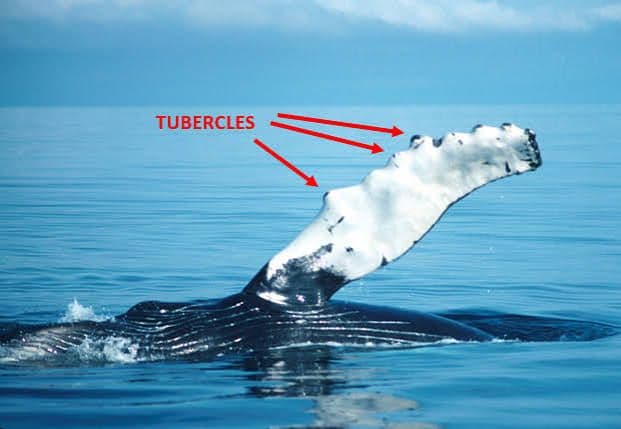
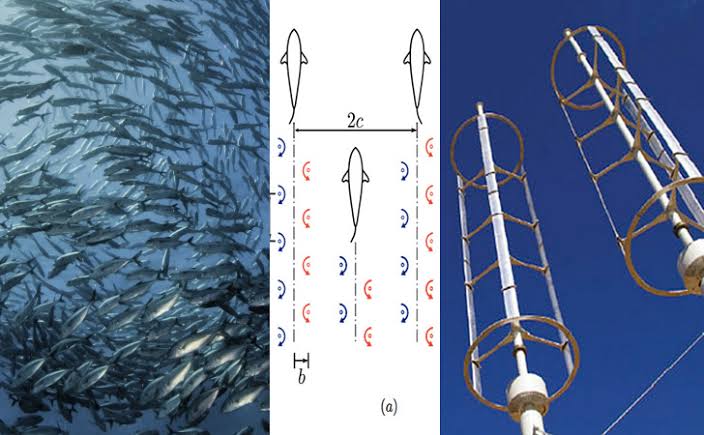
My main focus of the week was preparing a Lunch and Learn presentation for the team. I chose "Biomimicry in Offshore Wind", something I'd been interested in recently and a fun change from the usual technical Lunch and Learns. I was nervous about presenting, so I put a lot of effort into preparing what I would say, and the presentation went well and sparked some interesting conversations. I then turned it into a blog post on biomimicry in offshore wind.
Week 5
I started this week helping Joe with a calculation checking the strength of a plate in an oil reservoir tank. It involved using Roark's Formulas for Stress and Strain and writing the calculations up in Excel, both new skills for me. Calculations at Subco have been a real learning opportunity: they require applying university theory to make sound engineering judgements and assumptions, and they've shown me the importance of checking and understanding your own work.
I then finished some fabrications and assemblies Matthew had been working on and used them to produce drawings, a good opportunity to consolidate my Inventor skills. Editing someone else's model was a new challenge, as everyone has their own methods, but it taught me how to change assembly structures and parts lists. My internship close-out involved finishing this journal and a final chat to reflect on the experience and what I've learned.
Closing reflections
My time at Subco has been very rewarding. I've met my goal of gaining experience with engineering software, and learned a lot about how the industry works and the range of skills needed to be a good engineer. It has been especially valuable to be surrounded by so many experienced people, to benefit from targeted one-to-one sessions and to have the chance to ask lots of questions. I now feel much more confident in my engineering skills, and I'm excited to take what I've learned into my future career.
Category:
Blog
Written by:
Miriam Chedgzoy