Life Cycle Support
Practical engineering for asset modifications, reverse engineering, and equipment upgrades that can extend asset life and improve performance. Evidence-backed assessments and retrofit concepts that help you avoid costly replacements.
Extend life safely, without compromising the asset
We help owners maximise the usable life of vessels, equipment, and structures through design analysis and engineering. From remnant life assessments and damage evaluations to new equipment design and retrofit concepts, our work translates constraints into operational envelopes and practical modifications—backed by clear documentation for class and stakeholder review.
What we deliver
Design-only life extension: remnant life assessment, damage evaluation, operational envelopes, retrofits, inspection plans, point-cloud fit-up, and class-ready documentation.
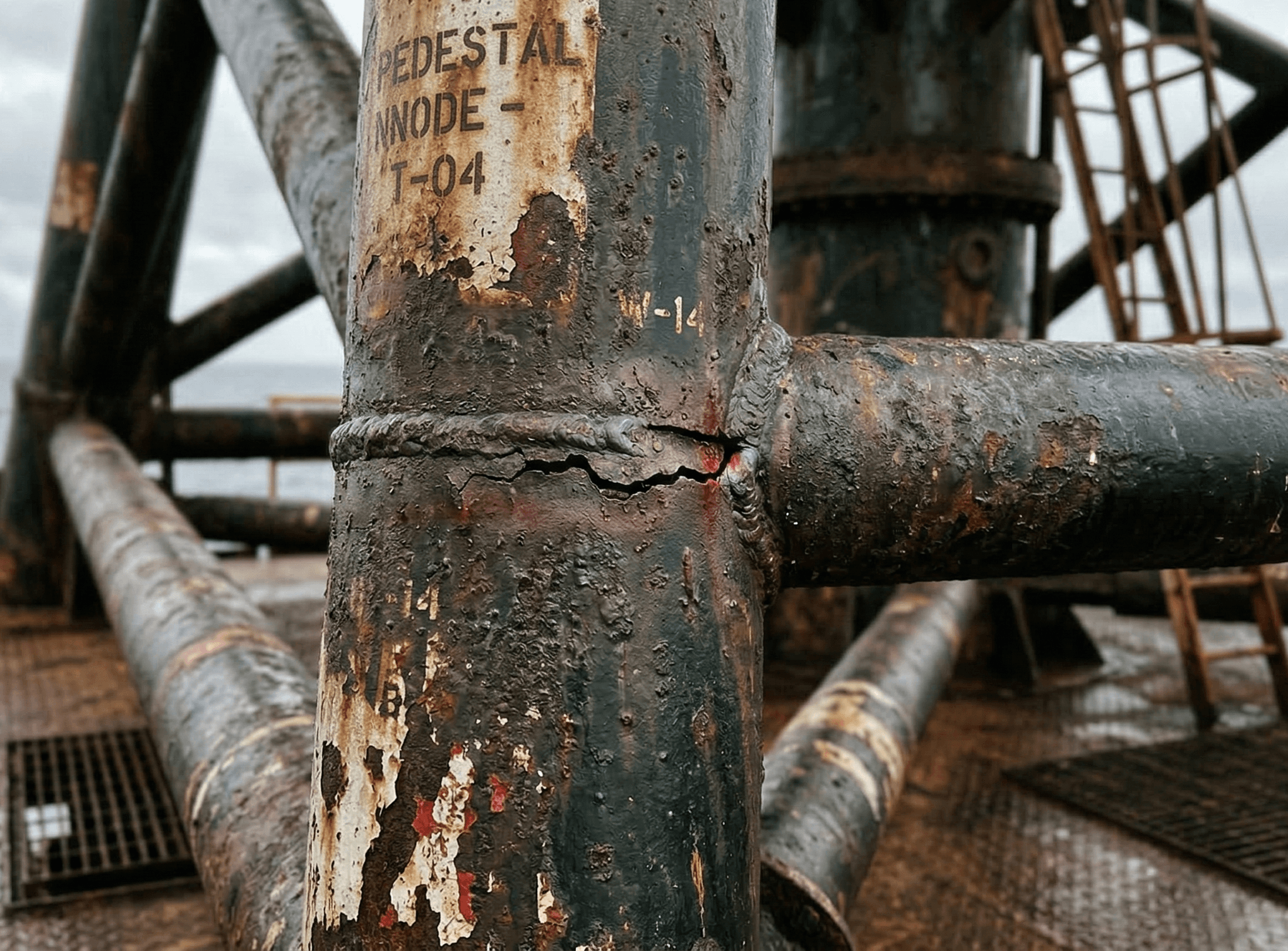
Remnant life assessments
Fatigue/hotspot review, cumulative usage factor checks, corrosion/allowance appraisal, and life extension recommendations.
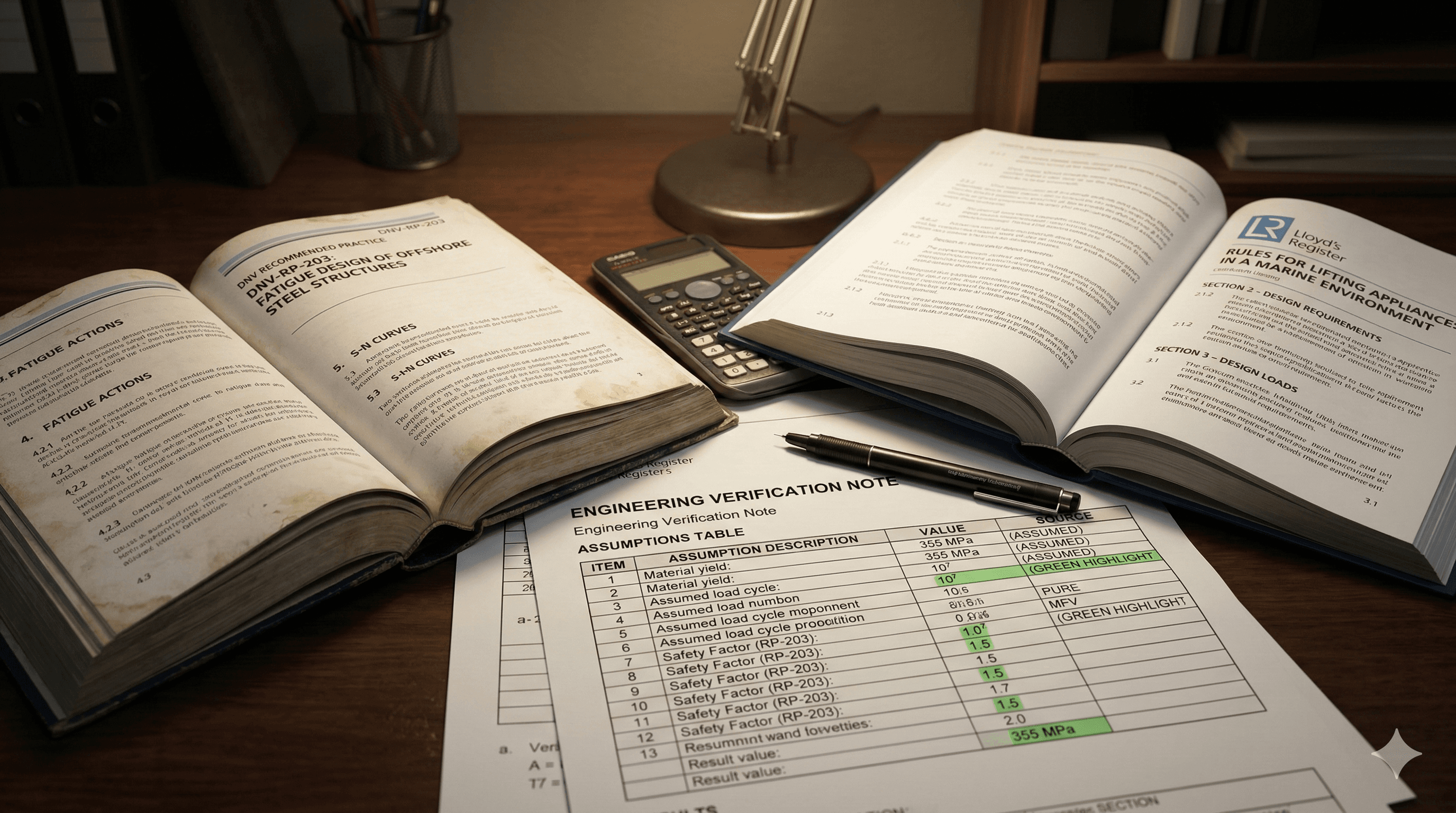
Damage assessments
Structured defect classification using client survey/NDT data; engineering of reinstatement concepts and “asleft” evidence packs.
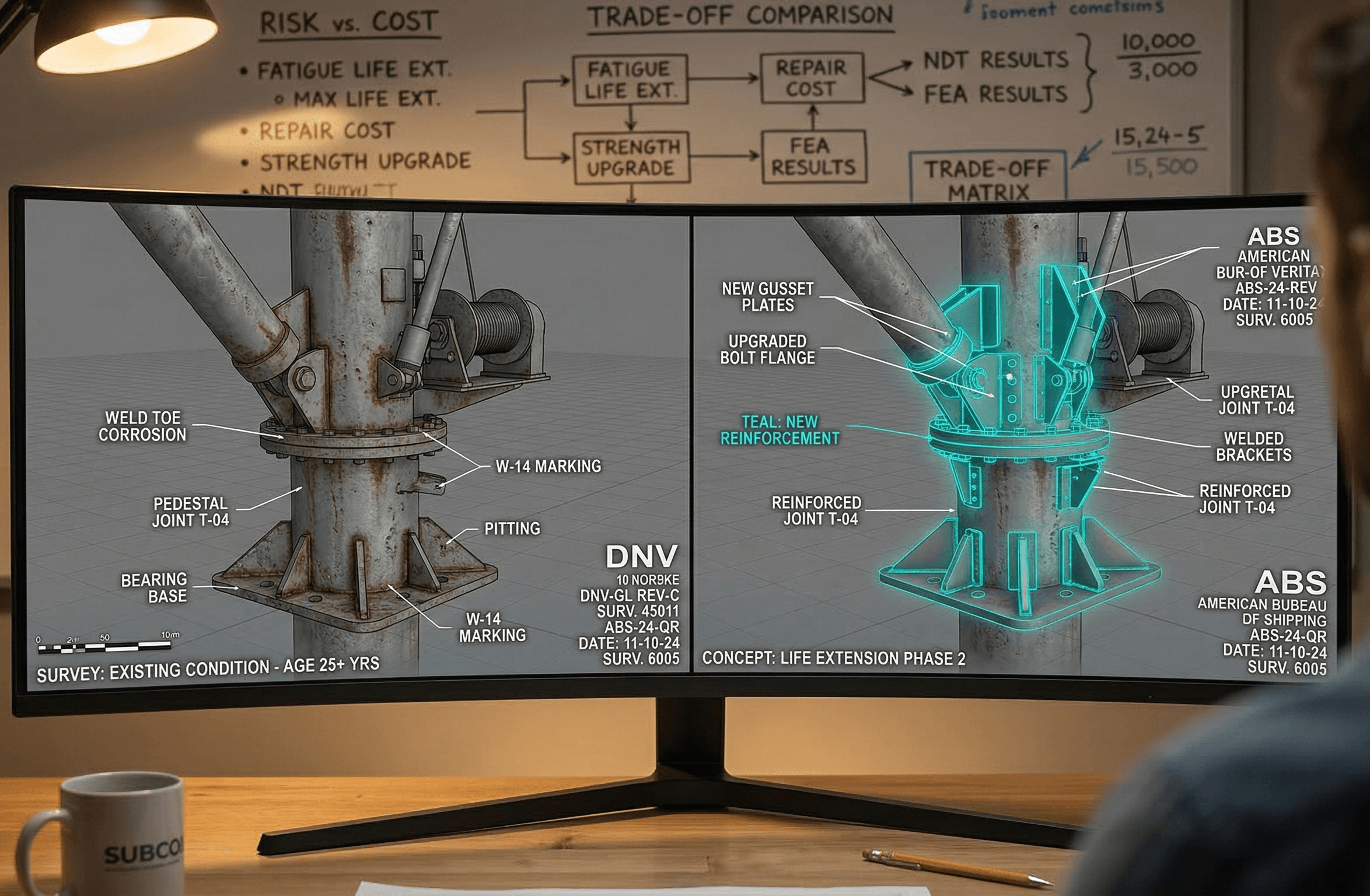
Equipment life-extension studies
Retrofit concepts, reinforcement details, interface upgrades, and replacement vs modify tradeoffs.
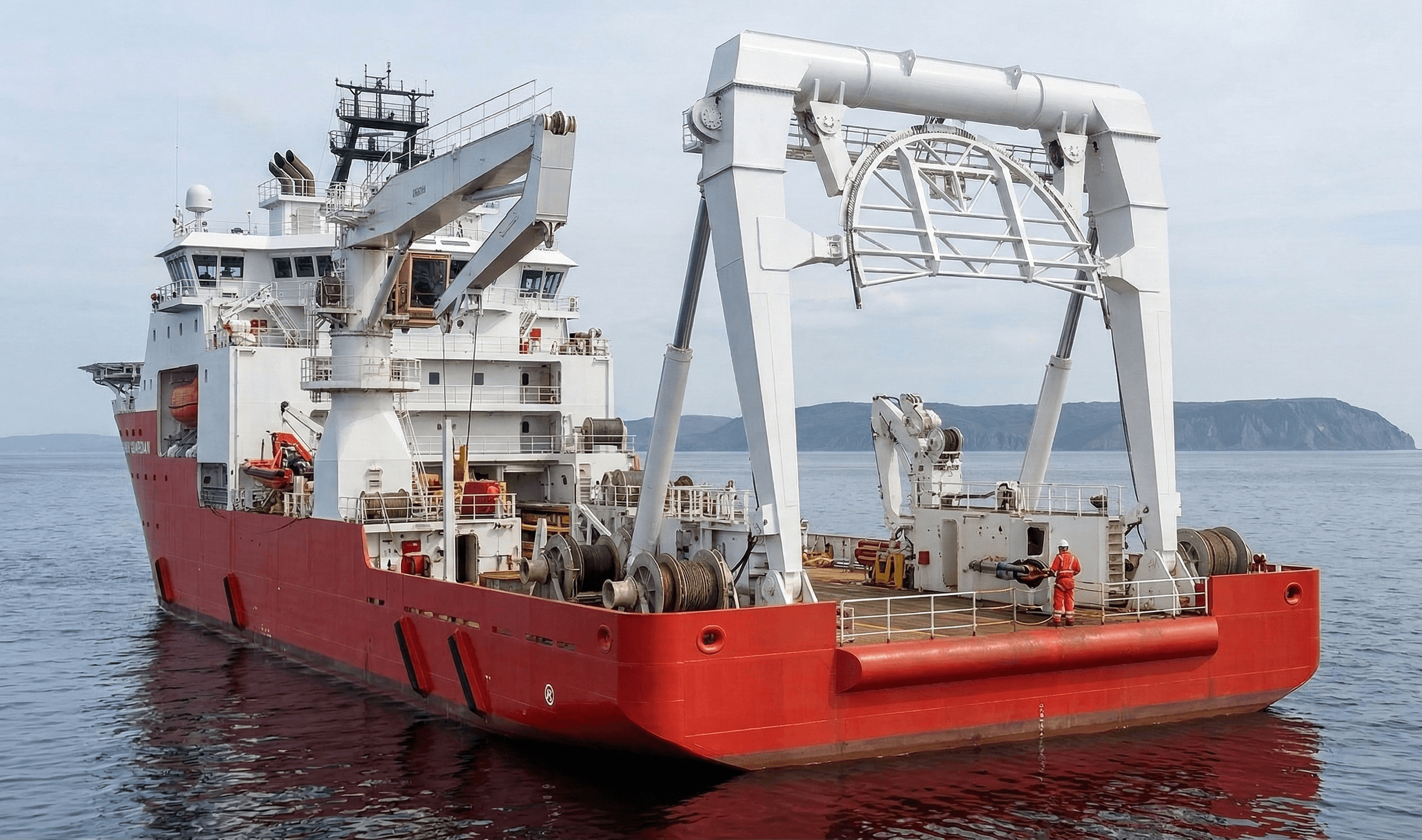
Operational envelope & load management
Safe operating limits by duty, sea state, handling sequence, and lift scenario; change control for future updates.

Inspection & condition monitoring plans
Risk-based inspection (RBI) strategies, hold/witness points, and condition KPIs; we define the plan and assess results from client/third-party inspectors.
Class & regulatory engagement
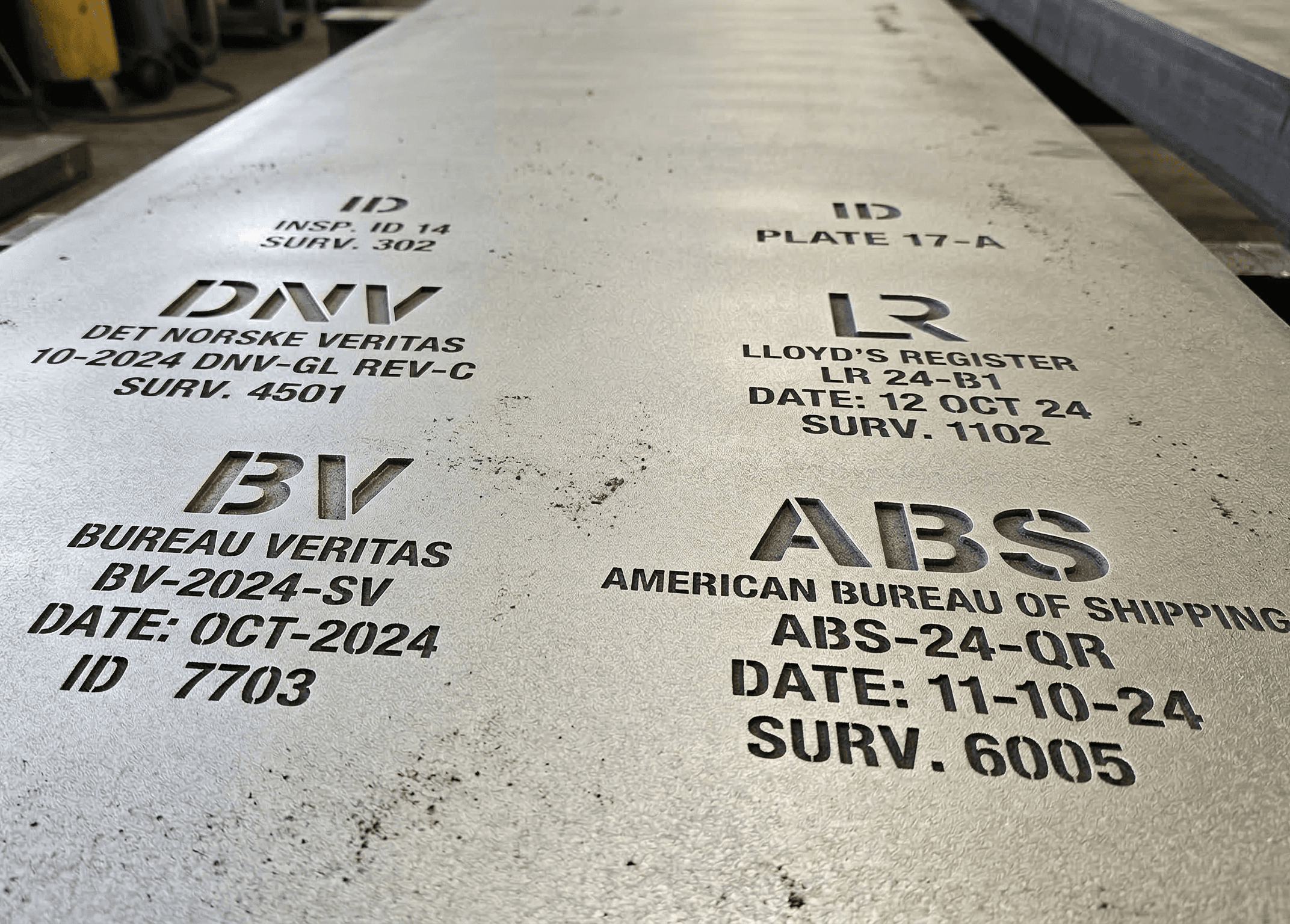
Mapping to LR/DNV/ABS, LOLER/PUWER and site procedures; design packs and verification routes prepared for client submission.
Focussed on delivery
Subco delivers high quality engineering work, on demand. We help companies deliver critical packages of work—without the delays, overhead, or commitment of hiring. Whether it’s a capacity or capability gap, we provide defined, fixed-price solutions that keep projects moving.
Discover our platform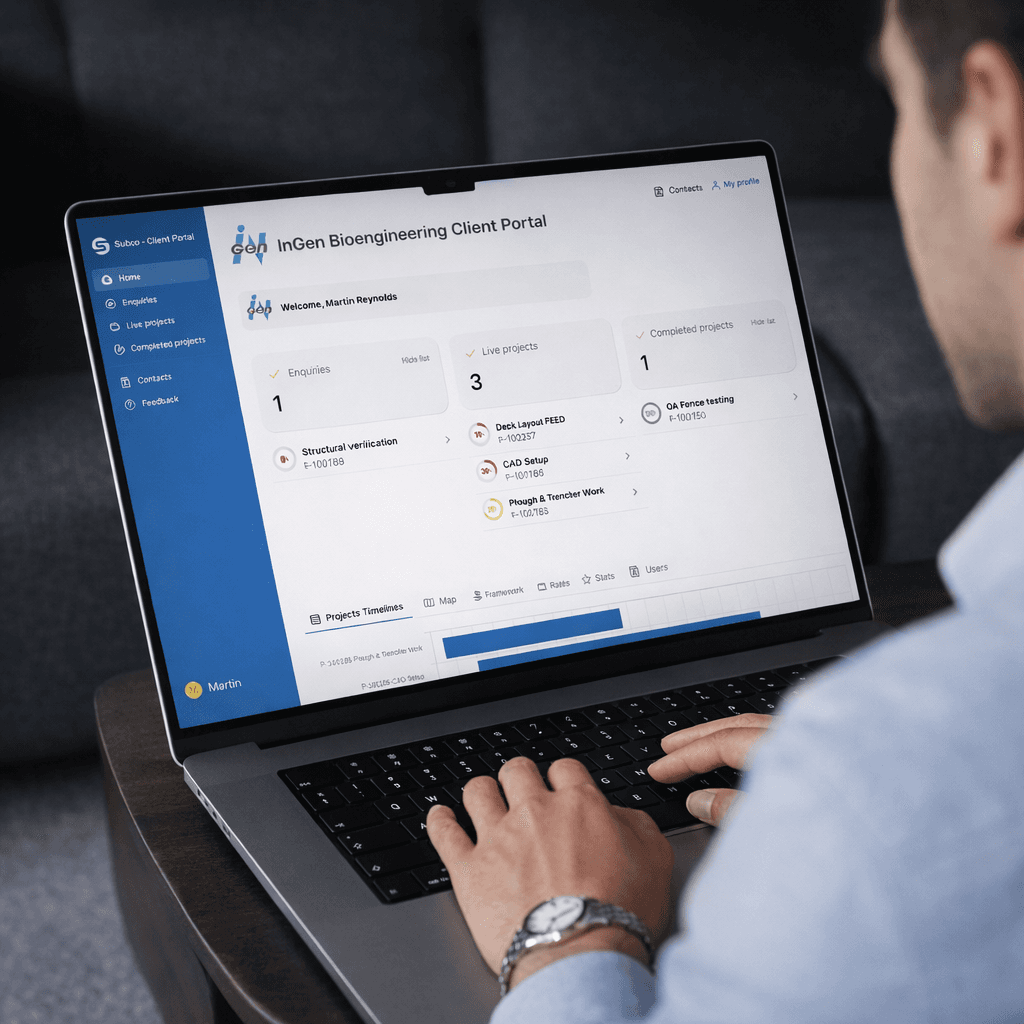
How we deliver
- 1
Fixed price workpacks
Scoped deliverables with analysis, drawings, and evidence notes—ready for client/class review.
- 2
Compliance built in
Documentation aligned to relevant codes and site procedures (e.g., LR/DNV/ABS, LOLER/PUWER).
- 3
Practical recommendations
Buildable reinforcement details and retrofit schemes; procurement notes for long lead items.
- 4
ISO aligned processes
ISO 9001 quality and ISO 27001 information security; our client portal provides full visibility from scope to delivery.
- 5
Design only stance
We engineer and document; fabrication, installation, and surveys are executed by your appointed vendors.
Our trusted partners






Services by industry
Discover more flexible, fixed-price engineering support in your industry.
FAQs
What is a remnant life assessment, and when do we need one?
A remnant life assessment evaluates how much safe, serviceable life remains in a piece of equipment based on its fatigue history, cumulative usage, and current condition. You would typically need one when equipment is approaching or has exceeded its original design life, when inspection findings reveal degradation such as cracking or corrosion, or when you want to extend operations beyond the original certification period. We review fatigue hotspots, cumulative damage factors, and corrosion allowances, then provide clear recommendations on whether the asset can continue operating, needs remediation, or requires replacement.
How do you handle damage found during inspection if we don't have a full history of the equipment?
We work with whatever data is available. Using your survey reports, NDT results, and any operational records, we classify defects against a structured framework, assess the structural significance, and engineer a reinstatement concept where needed. Where history is incomplete, we apply conservative assumptions and document them transparently. The output is an evidence-based "as-left" pack that gives you and your class society a clear picture of the current condition and the engineering justification for continued operation.
Do you carry out the physical inspections yourselves?
We define the inspection and condition monitoring strategy — including risk-based inspection plans, hold and witness points, and the condition KPIs that matter for your equipment — but the physical inspections are carried out by your own teams or third-party inspectors. Once the results come back, we assess the findings against the acceptance criteria, update the condition record, and advise on any follow-up actions. This keeps the process independent and means you are not tied to a single inspection provider.
What types of vessels have you completed damage assessments on?
We have worked across a wide range of vessel types, from dredging vessels through to jack-up installation vessels selected for offshore wind campaigns. Wind installation work is particularly demanding — tall turbine towers, nacelles, and foundation components induce significant local loadings into the vessel superstructure during transit and installation. We typically design the sea-fastening arrangements for individual turbine components, analyse how those loads transfer into the hull structure, and assess any damage sustained during transit to and operations at the installation site. Where we identify issues, we engineer modifications to the hull superstructure to restore or improve capacity. The output is a fully detailed analysis and damage assessment report that gives you everything you need to engage directly with your classification society — whether that is DNV, Lloyd's Register, Bureau Veritas, ABS, or others.
Speak to our experts
We'll help you define the problem, assess your needs, and connect you with the right engineering expertise — giving you clarity and confidence to move ahead.
Experts